
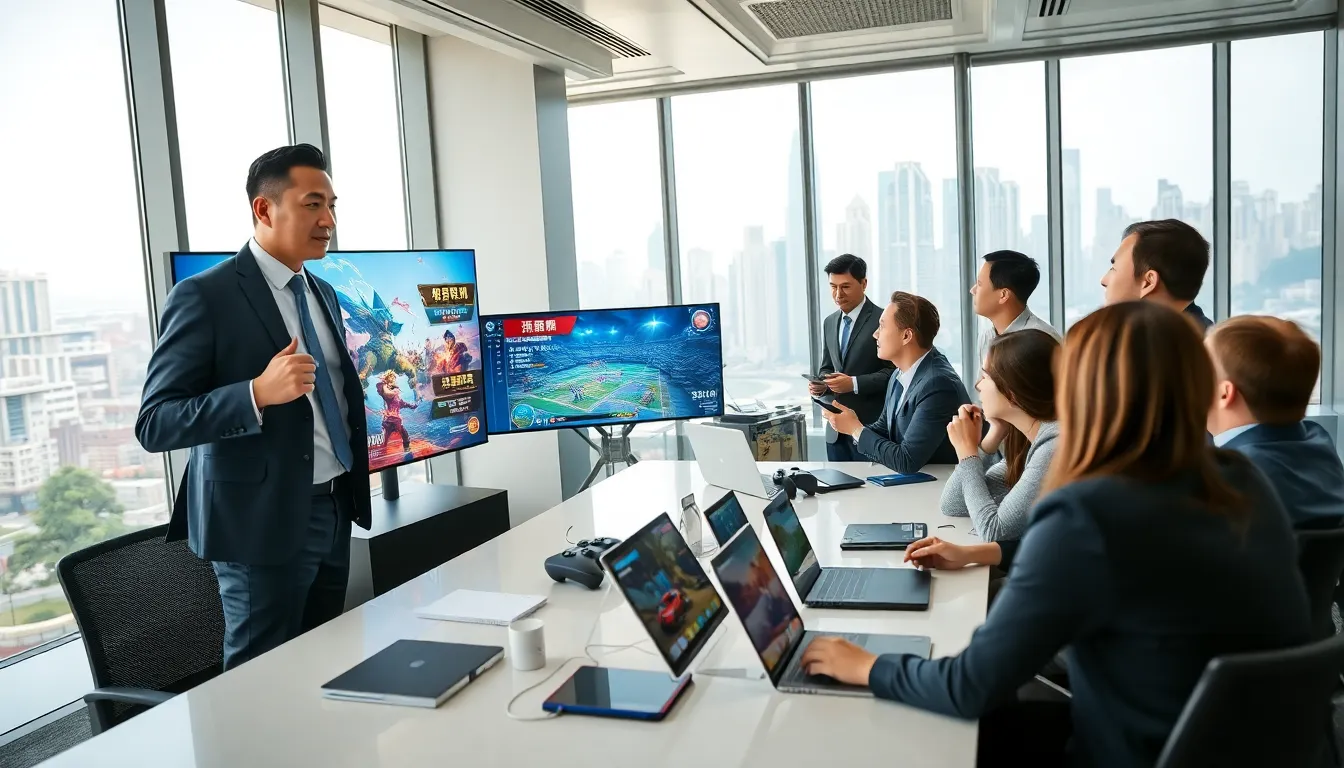
In a country that seems to redefine the limits of gaming innovation almost daily, keeping up with the latest in China’s gaming news is like trying to catch a speeding bullet train. With an industry that melds cultural nuances, cutting-edge technologies, and a dizzying array of regulatory changes, it’s no wonder gamers and developers alike are glued to their screens. Whether you’re a hardcore gamer, an investor eyeing the next big hit, or just someone who can’t resist a thrilling tale of epic quests and digital adventures, this article dives deep into the latest happenings in China’s gaming landscape. Spoiler alert: it’s as exciting as a dragon-slaying finale.
Overview of the Chinese Gaming Industry

The Chinese gaming industry is a colossal beast, boasting not only the world’s largest gaming market but also a rapidly evolving ecosystem. With estimated revenues exceeding $45 billion, it far surpasses the second-largest market, the United States. In recent years, the sector has witnessed an explosion of trendy mobile games and expansive multiplayer experiences. Notably, titles like “Honor of Kings” and “Game for Peace” have become household names.
China’s gaming landscape comprises a mix of traditional PC and console gaming, but mobile gaming dominates the scene. As smartphones become ubiquitous, developers are capitalizing on new technology to produce immersive experiences that keep players engaged. The blend of local flavor and international influences creates a unique tapestry of games, where fantasy realms meet real-world elements, engaging players from various backgrounds.
Regulatory Changes Impacting Gaming in China
China’s gaming industry doesn’t just thrive on creativity: it also operates under a set of stringent regulations that can change in the blink of an eye. The government has recently intensified its scrutiny of the industry, driven largely by concerns over youth gaming addiction and inappropriate content.
One of the key developments has been the introduction of gaming licenses. Companies now spend months in limbo waiting for approval to launch new titles. This has led to a backlog of games waiting for release, leaving both developers and players in a state of suspense.
Besides, restrictions on gaming hours for minors have turned heads. Players under 18 can only game for a few hours during weekends and holidays. While some may view this as limiting, it also reflects a shift toward responsible gaming practices, an essential part of future industry sustainability.
Top Upcoming Game Releases in China
As the dust settles on current game releases, anticipation builds for a plethora of upcoming titles. Namely, “Avatar: Reckoning” is set to capture the hearts of players, merging action-packed RPG elements with the rich lore of the Avatar universe. Not too far behind, “Witcher: Monster Slayer” is also making waves, promising to bring the dark fantasy world of The Witcher right into players’ hands.
Another title creating buzz is “Final Fantasy XVI,” which received a warm welcome during its beta tests. With stunning graphics and intriguing storylines, it’s expected to pull in players from both local and international markets. All these releases illustrate the dynamism of the Chinese gaming scene and its capability to embrace globally beloved franchises.
Influence of Mobile Gaming in China
Mobile gaming is undeniably a titan in the Chinese market, with players increasingly turning to their smartphones for entertainment. This trend isn’t merely a reflection of convenience: it represents a seismic cultural shift. Platforms like Tencent’s WeChat have made gaming accessible to millions, facilitating the seamless integration of social networking and gaming.
Also, innovative monetization strategies have revolutionized how games are developed and distributed. Free-to-play models combined with microtransactions keep the cash flowing while players enjoy engaging content. Gamers can level up their experiences without hefty upfront fees, transitioning the industry toward a more inclusive format. This trend has likely encouraged millions to pick up their devices for a quick gaming fix.
Chinese Esports Scene: Growth and Opportunities
The world of esports in China is experiencing nothing short of a renaissance. Major championships attract millions of viewers, both online and offline, transforming competitive gaming into an esteemed form of entertainment. Titles like “League of Legends” and “Dota 2” dominate the scene, drawing elite players from across the globe.
With the establishment of professional teams and dedicated arenas, the ecosystem now presents substantial investment opportunities. Sponsorships and brand partnerships are surging, making it easier for new players to break into the circuit. Investors are keen to tap into this lucrative arena, as the future holds promise for growth spurred by increased viewership and media coverage.
International Collaborations and Trends
China’s gaming industry is not an isolated phenomenon: it actively engages in international collaborations that foster innovation and creativity. Local companies often seek partnerships with Western developers to craft games that appeal to both markets. A prime example of this is the partnership between Tencent and Riot Games, which has brought stunning titles to both audiences.
Also, Western gaming companies are eyeing the Chinese market, eager to adopt gameplay styles that resonate more with local preferences. As globalization shrinks barriers, mutual influences enrich games, resulting in titles that offer unique experiences. This cross-pollination of ideas fuels an ever-evolving industry landscape, making it more exciting than ever.


