

In a world where high-definition graphics reign supreme, the charm of pixel animation on the Game Boy remains irresistible. Imagine tiny sprites dancing across the screen, each pixel bursting with personality and nostalgia. This handheld marvel might be over three decades old, but its pixelated artistry has left an indelible mark on gaming culture.
From epic adventures to quirky mini-games, the Game Boy’s pixel animation isn’t just a relic of the past; it’s a testament to creativity and innovation. With a limited palette and resolution, developers crafted vibrant worlds that captured hearts and sparked imaginations. So grab your favorite Game Boy, dust off that cartridge, and prepare to dive into a pixelated universe where every frame tells a story. Who knew that so much magic could fit in the palm of your hand?
Overview of Pixel Animation on Game Boy
Pixel animation on the Game Boy stands as a testament to the creativity and skill of its developers. Game Boy’s limited palette, featuring only four shades of gray, required artists to think critically about color usage and contrast. They crafted intricate sprites and backgrounds, which formed the backbone of immersive gameplay.
Many notable titles emerged during the Game Boy era, including classics like “Tetris” and “The Legend of Zelda: Link’s Awakening.” Each game showcased unique animation techniques, pushing the boundaries of what was possible on the system. Animations often used a frame-by-frame technique, where developers drew multiple images to convey movement, resulting in fluid character actions.
Technical constraints shaped the art style fundamentally. The Game Boy’s resolution of 160×144 pixels limited screen real estate, compelling artists to focus on essential details. This limitation fostered a distinctive visual style that many gamers still cherish.
The process for creating pixel animations involved meticulous planning. Developers frequently designed character sprites alongside animations, ensuring that each action remained coherent with the game’s overall aesthetic. They harnessed techniques like sprite flipping and rotation to enhance visual appeal while maximizing performance.
Innovative storytelling emerged through pixel animation, enabling developers to convey emotions and narratives using only a few frames. Players connected deeply with characters and worlds, forging lasting memories tied to their experiences on the Game Boy. Even today, the charm of pixel animation endures, influencing modern indie games and nostalgic remakes that celebrate the art form’s history and impact.
Historical Context
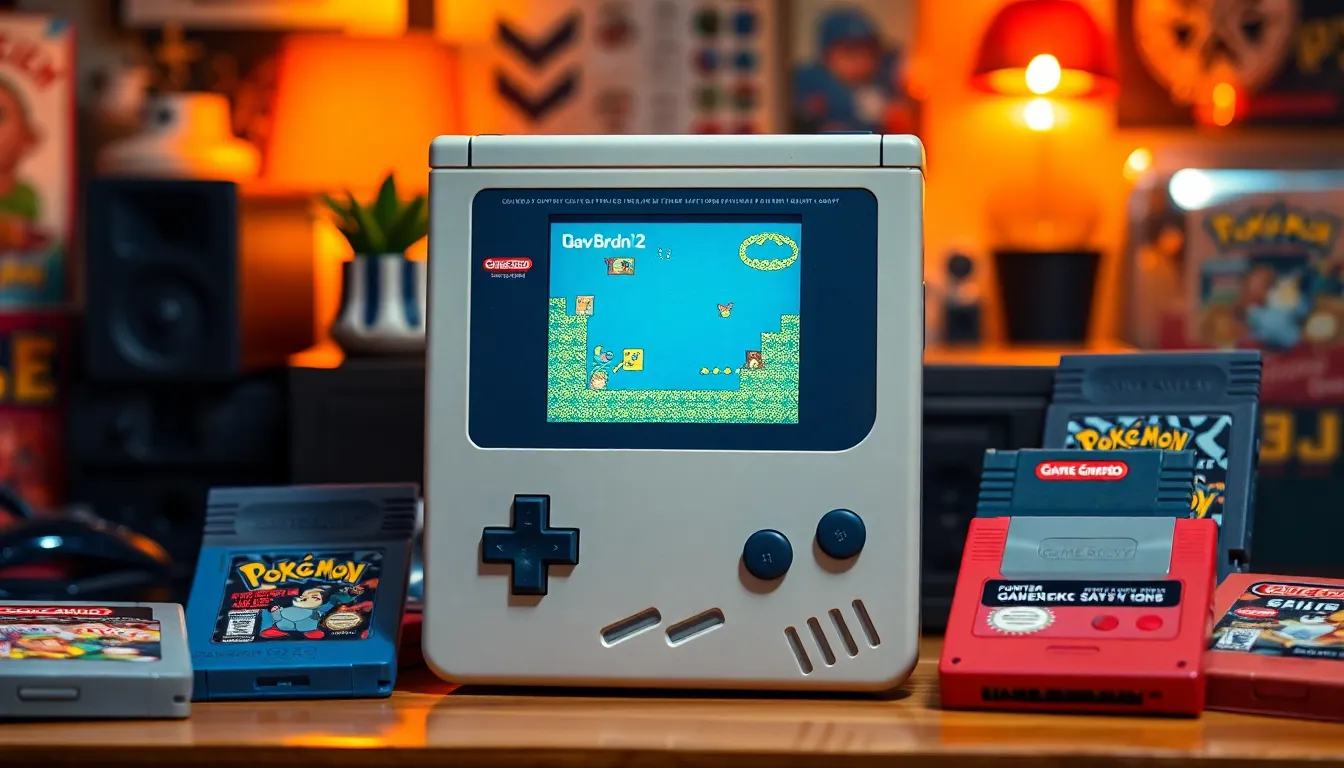
Pixel animation on the Game Boy has a rich history that reflects the evolution of gaming. Developers faced unique challenges while crafting engaging visuals.
The Evolution of Game Boy Graphics
Game Boy graphics advanced significantly from its release in 1989. The system’s 8-bit architecture allowed for limited graphical capabilities. Developers utilized a palette of four shades of gray, yet they crafted memorable experiences with creativity. Over time, games like “Pokémon Red and Blue” showcased vibrant worlds, despite the resolution constraint of 160×144 pixels. With each iteration, advances in color depth and sprite capabilities emerged, influencing future handheld gaming systems. Innovations in animation techniques, such as layered backgrounds, enriched storytelling and gameplay. Each leap in technology marked further artistic expression in pixel art.
Impact of Limited Hardware
Limited hardware shaped the creative processes of developers during the Game Boy era. The constraints of only 8 kilobytes of RAM forced writers and artists to emphasize clarity in character design. Sprite maximums enforced strict guidelines, prompting innovative solutions to create fluid animations. Game designers often prioritized gameplay mechanics over lavish graphics, leading to memorable titles driven by engaging storylines. Resourcefulness became essential, resulting in techniques like sprite reuse and color optimization. Successful animations relied heavily on the edition of frame-by-frame techniques to generate smooth motion. Developers turned limitations into opportunities, laying the groundwork for future pixel art styles.
Techniques in Pixel Animation
Pixel animation on the Game Boy relies on specific techniques to craft engaging visual experiences. Developers utilized various methods to maximize the impact of limited resources.
Sprite Design
Sprite design involves creating character images that are crucial for visual storytelling. Developers employed a four-shade color palette to promote clarity and distinction among characters. This method allowed designers to utilize contrasting shades effectively, enhancing visibility against various backgrounds. Each sprite often included defining features that made characters memorable and relatable. In titles like “Tetris,” simplicity in sprite design ensured immediate recognition and engagement. Developers also focused on character proportions and animations to maintain fluidity, making movements appear natural. Overall, thoughtful sprite design contributed significantly to the Game Boy’s enduring charm.
Animation Frames
Animation frames play a vital role in bringing sprite movements to life. Developers typically used a frame-by-frame approach to create the illusion of motion. Each frame represented a slight variation in position, enabling seamless transitions between actions. For instance, in “The Legend of Zelda: Link’s Awakening,” character movements relied on well-executed frames that conveyed emotion and urgency. This meticulous planning resulted in a visually captivating experience despite the console’s limitations. Reducing the number of frames while preserving fluidity became a standard practice, allowing for optimized performance. Animators prioritized essential movements, ensuring that key actions were highlighted effectively.
Iconic Games Featuring Pixel Animation
Pixel animation on the Game Boy sparked creativity, giving rise to several iconic titles that defined gaming for generations. These games incorporated unique techniques and engaging narratives, making them unforgettable experiences.
Game Boy Classics
Several classics stand out for their exceptional use of pixel animation. “Tetris” redefined puzzle gaming, featuring simple yet instantly recognizable graphics. “The Legend of Zelda: Link’s Awakening” captured players’ imaginations with intricate sprite designs and fluid movements, showcasing an emotional storytelling method. “Pokémon Red and Blue” allowed players to immerse themselves in vibrant worlds filled with memorable characters. Each of these games employed meticulous frame-by-frame animations that brought their captivating visuals to life. Developers harnessed the Game Boy’s limited palette effectively to create distinct characters, enhancing gameplay and player connection.
Modern Indie Games
Modern indie games continue to draw inspiration from the pixel animation era of the Game Boy. Titles like “Celeste” and “Undertale” honor the retro aesthetic while incorporating advanced storytelling techniques. Developers utilize pixel art to create nostalgic visuals that resonate with audiences today. Each character and environment is carefully crafted, preserving the charm of limited graphical resources. Fluid animations and expressive characters showcase the influence of early game design methods. Designers demonstrate that pixel animation remains a powerful tool for conveying emotion and narrative, bridging the past and present in gameplay experiences.
Tools and Resources for Creating Pixel Animation
Game Boy pixel animation requires specific tools and resources for effective creation. Developers can leverage various software options designed for pixel art, alongside numerous learning resources that enhance skills.
Software Options
Popular software choices include Aseprite, which provides robust features for sprite and animation creation. Piskel stands out as a free, web-based option that facilitates easy sharing and collaboration. GraphicsGale offers a versatile interface, supporting both animated and static sprites. Additionally, Pyxel Edit effectively supports tile-based animations and editing, catering to both beginners and experienced animators.
Learning Resources
For aspiring animators, online platforms like YouTube feature numerous tutorials covering pixel art techniques. Websites like Udemy provide structured courses tailored to pixel animation. Books such as “Pixel Art for Game Developers” present insights into both art techniques and game design principles. Joining communities on platforms like Discord and Reddit fosters collaboration, where developers share tips and resources, enhancing the learning experience.
The legacy of pixel animation on the Game Boy continues to resonate with gamers and developers alike. Its unique charm and innovative techniques not only shaped the gaming landscape of the past but also inspire modern creations. The artistry involved in crafting pixelated worlds showcases the ingenuity of developers who turned limitations into opportunities for creativity.
As players revisit classic titles or explore new indie games influenced by this retro style, the emotional connections forged through pixel animation remain strong. The ongoing accessibility of tools and resources ensures that this beloved art form will thrive for generations to come, keeping the spirit of pixel animation alive and well in the hearts of gamers everywhere.


